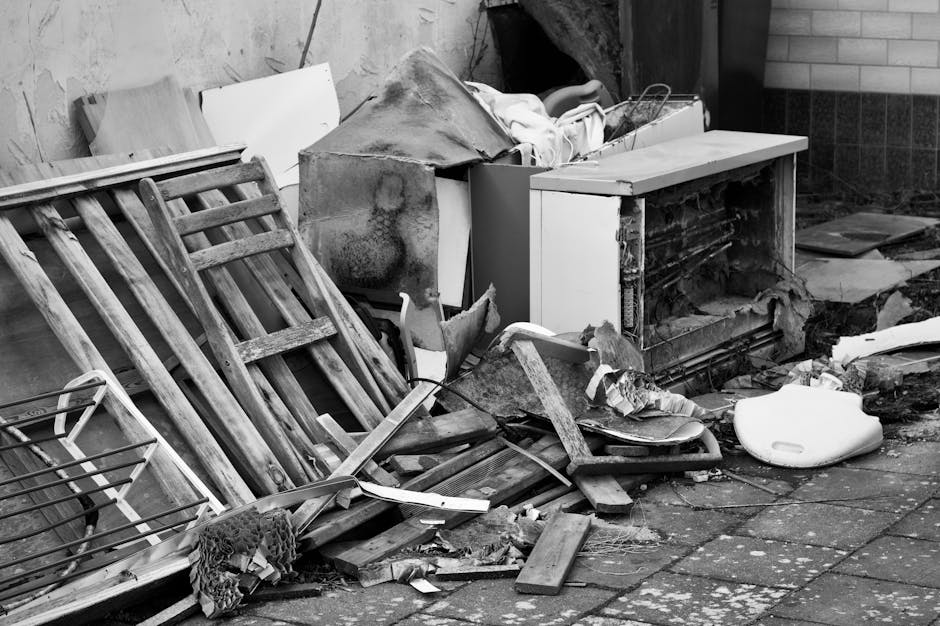
Clearing a 3-Bed Renovation Waste Job in Camden Town
If you are clearing a 3-bed renovation waste job in Camden Town, you are probably dealing with a mix of broken plasterboard, old kitchen units, timber offcuts, packaging, tiles, dusty rubble, and the odd surprise item that nobody remembered ordering. It adds up fast. And in Camden, where access can be tight and parking can be a bit of a puzzle, a straightforward clear-out can suddenly feel like a proper logistical job.
This guide breaks the process down in plain English. You will see how a 3-bedroom renovation clearance usually works, what to plan for, where the headaches tend to appear, and how to choose the most sensible removal method for the space, the budget, and the building. We will also look at common mistakes, compliance points, and the small details that make the whole job smoother. Truth be told, those details matter more than most people expect.
Why Clearing a 3-Bed Renovation Waste Job in Camden Town Matters
A renovation project is never just about what gets built. It is also about what gets removed. In a three-bedroom property, waste can build up quickly because every room tends to produce a different kind of debris. A bathroom strip-out makes wet waste. A kitchen refit creates bulky cabinets, worktops, and broken appliances. Bedrooms often end up with old flooring, wardrobes, packaging, and general rubbish. By the time you have finished, the pile can look deceptively huge.
Camden Town brings its own practical reality into the mix. Streets can be busy, terraced properties often have limited front-garden space, and access through hallways or narrow staircases can be awkward. If you leave waste lying around for too long, you can end up blocking the project itself. Plaster dust spreads, trades lose time, and neighbours start noticing. Nobody wants that halfway through a renovation, especially on a wet London morning when the front path is already a bit slippery and the dust is sticking to everything.
There is also a real safety angle. Renovation waste can include sharp timber, broken tile edges, screws, old fittings, and heavy materials that are awkward to lift. Leaving it unmanaged can create trip hazards and slow down every other part of the build. A proper clearance keeps the site workable, safer, and easier to hand over once the job is done.
And then there is the reputation side. If you are a landlord, contractor, or property manager, a messy finish is remembered. A clean finish is remembered too, just in a much better way.
Practical takeaway: a 3-bed renovation waste job is not just a rubbish problem. It is a timing, access, safety, and site-management problem all at once.
How Clearing a 3-Bed Renovation Waste Job in Camden Town Works
Most renovation waste clearances follow the same broad pattern, but the details matter. The aim is to move the right waste out in the right way, without damaging the property or slowing the renovation team down.
1. Identify the waste streams
Start by separating the waste into rough groups. For a 3-bed renovation, that usually means rubble and heavy waste, timber and joinery offcuts, plasterboard, old fixtures, packaging, metal, and any reusable items that should not be thrown away. This is useful because different materials can need different handling, and mixed loads are usually less efficient.
2. Check the access route
Camden properties can be tricky. A front step, a shared hallway, a basement room, or a third-floor flat all change the job. You will want to think about where the waste will pass through, whether a lift is available, and how far the vehicle may need to park from the entrance. It sounds basic, but this is where a five-minute job turns into an afternoon if nobody planned it.
3. Estimate the volume realistically
Renovation waste is easy to underestimate. A room that looks "nearly empty" can still hold a fair bit of material once boards, flooring, packaging, and fixings are gathered together. In practical terms, a 3-bed project often produces enough waste to justify a structured clearance rather than random trips to the tip. That is especially true if the work is phased and waste keeps coming in waves.
4. Choose a removal method
Depending on the amount and type of waste, you may use a man-and-van style rubbish removal service, a bulk waste collection, repeated collections, or another managed waste clearance method. If you are also dealing with old furniture or white goods, the job may be part construction waste, part domestic clear-out. That is normal. Renovations rarely stay tidy in neat categories.
5. Load, transport, and disposal
Once the waste is sorted and loaded, it is removed for disposal or recycling at the appropriate facility. Reusable materials should be diverted where possible, while mixed construction waste is handled according to the load type. This is where a good operator saves time: they know what can be separated quickly and what needs careful handling.
6. Final sweep and handover
The best clearances do not end when the last bag is gone. A proper sweep-up of loose debris, screws, and dust helps the renovation team get back in without delay. Small bits matter. The little stuff always does.
If you want to understand the wider service landscape around waste jobs, it can help to compare renovation clearance with related options such as builders waste clearance, rubbish clearance, and waste removal.
Key Benefits and Practical Advantages
A well-planned clearance does more than remove clutter. It improves the whole pace and feel of the renovation.
- Faster progress on site: trades can move freely, materials can be delivered more easily, and the property feels under control.
- Better safety: fewer trip hazards, fewer sharp edges, and less chance of someone injuring themselves on loose rubble or screws.
- Cleaner working conditions: dust and debris are reduced, which helps paintwork, flooring prep, and finish quality.
- Less stress for everyone: homeowners, landlords, and contractors are not forced to live with piles of waste for days on end.
- Improved neighbour relations: in a busy place like Camden Town, a tidy site is simply more considerate.
- More predictable costs: you are less likely to face repeated last-minute trips or rushed decisions if the clearance plan is set early.
There is also a quieter benefit that people sometimes overlook: the psychological lift. Once the waste is gone, the project suddenly feels like it is moving forward. Rooms stop looking like a demolition zone and start looking like a home again. That shift matters.
Who This Is For and When It Makes Sense
This kind of clearance is relevant to a few different groups, and each has slightly different priorities.
Homeowners renovating a 3-bed house or flat
If you are living through the project, the biggest concerns are usually noise, dust, and keeping the property usable. A timely waste clearance helps you reclaim space between stages, rather than waiting until the end when the mess feels overwhelming.
Landlords and letting agents
For rental refurbishments, speed and presentation matter. A clear property makes it easier to inspect works, arrange contractors, and prepare the place for marketing or new tenants. If the clearance also involves old mattresses, furniture, or bulky household items, you may find related services such as flat clearance or house clearance helpful as part of the wider plan.
Builders and renovation contractors
Contractors often need a site cleared on a schedule that matches the next trade. That means the waste job is not just a disposal task; it is a project-management task. If plasterers are arriving tomorrow, the old boards need to be gone today. Simple as that.
Property managers and portfolio owners
For multiple units or larger refurbishments, consistency matters. You need a service that can handle mixed loads, work around access constraints, and keep the site clear without creating extra admin.
When it makes sense to book now
It usually makes sense to arrange clearance when the waste starts to interfere with movement, before the pile becomes a safety or access problem. If you wait until the very end, you may find the job has grown into a much bigger clean-up than expected.
And yes, there is a point where "we will deal with it later" becomes code for "we are running out of hallway."
Step-by-Step Guidance
Here is a practical way to approach a 3-bed renovation waste job in Camden Town without overcomplicating it.
- Walk the property room by room. Note every waste type, from rubble and timber to old fittings and packaging. Do not rely on memory alone. Memory is not a waste plan.
- Estimate the volume by area. Bedrooms, kitchen, bathroom, hallway, and any loft or storage space all contribute. If the project includes stripping flooring or built-in furniture, add a buffer.
- Decide what stays and what goes. Separate reusable items, recyclables, and actual waste. Old doors, cabinets, or radiators may need special handling depending on condition and material.
- Check access and parking. Camden streets can be tight and timing can matter. Measure stair widths, note door swings, and think about where a vehicle can stop safely.
- Group waste by type where possible. Mixed waste is common, but a little separation can help reduce handling time and improve recycling outcomes.
- Schedule clearance to match the renovation stage. It is often better to do two or three smaller clearances than one massive pile-up at the end.
- Carry out the removal safely. Heavy waste should be lifted sensibly, with proper protective gear and care around sharp or unstable items.
- Finish with a tidy sweep. Check corners, skirting edges, stair landings, and outside areas for nails, glass, and small debris.
As a practical example, a typical 3-bed refurbishment might need one visit after the strip-out, another after kitchen and bathroom removals, and a final sweep at the end. That rhythm keeps the project moving and avoids the "mountain in the hallway" moment. You know the one.
Expert Tips for Better Results
These are the small, practical things that tend to make the biggest difference in real jobs.
Plan around the messiest trade
If the kitchen is being ripped out first, then that is probably your first major waste peak. If flooring comes out later, make sure the schedule accounts for the dust and timber load that follows. Build the clearance around the actual sequence of work, not just a rough guess.
Protect the route out
Use floor protection, especially where heavy items pass through hallways or communal entrances. In older Camden properties, a chipped skirting board or scuffed stairwell can cause avoidable friction. A bit of protection saves a lot of awkward conversation.
Keep one area as a clean holding zone
When possible, designate a space for sorted waste. Even a small corner helps. It keeps nails, tools, and broken material away from the main working area and makes loading quicker.
Think about noise and timing
Early morning is not always the best time for noisy movement, especially if the building has shared walls or neighbours close by. A quieter, more considerate schedule helps everyone. Camden can be lively enough already.
Do not mix reusable materials with waste by default
Old doors, metal fittings, and salvageable timber may be worth keeping aside. Even when you do not plan to reuse them, they might be suitable for donation or resale, depending on condition. Not everything broken is useless, and not everything useful is obvious at first glance.
Ask for clarity on what is included
If you are comparing options, make sure you know whether labour, loading, disposal, and recycling are all part of the service. A vague quote can become a headache. Clear scope is your friend here.
Common Mistakes to Avoid
Most problems in renovation waste clearance come from a handful of predictable mistakes. The good news? They are avoidable.
- Underestimating the volume: especially with strip-outs, waste arrives faster than people expect.
- Leaving mixed waste scattered around: this slows down loading and creates more handling.
- Forgetting access constraints: stairs, narrow paths, parked cars, and doorway widths can all affect the job.
- Ignoring dust and sharp debris: a pile that looks harmless can still be unpleasant and risky.
- Waiting too long to book clearance: by then, the property may be awkward to work in.
- Assuming every item can go in one load without thought: some materials need more care, and a bit of sorting helps.
- Not checking the disposal route: responsible handling matters, especially for renovation waste with recyclable content.
The one people mention most often is the "we thought it would fit" problem. It rarely does. Not neatly, anyway.
A second mistake is emotional, not practical: letting the waste pile become normal. Once a room has been used as a dumping ground for too long, everyone starts stepping around it. That is the moment to act.
Tools, Resources and Recommendations
You do not need a warehouse full of gear to manage a clearance properly, but the right basics help a great deal.
Useful tools on site
- Heavy-duty bin bags or rubble sacks
- Gloves with a decent grip
- Dust masks for particularly dirty or dusty loads
- Protective footwear
- Tape or labels for separating waste
- A torch for darker corners, lofts, or basements
- Floor protection materials where traffic is heavy
Useful service categories to compare
If the job includes large domestic items as well as renovation waste, it may be worth looking at related services like bulk waste collection, bulky waste collection, furniture disposal, or waste clearance. For heavy or awkward household items, there are also specific pages for sofa removal, mattress disposal, and white goods recycle.
Helpful planning habits
Keep a quick list of what is being removed from each room. Even a rough note on your phone helps. Take photos before collection day. That sounds obvious, but it prevents confusion if something was meant to stay. Also, keep the building entrance clear if possible. A tiny blockage outside can have a surprisingly large knock-on effect inside.
Law, Compliance, Standards, or Best Practice
For renovation waste in Camden Town, the safest approach is to follow normal UK waste-handling best practice and make sure waste is removed by a responsible, traceable route. You do not need to become a legal expert, but you do need to avoid casual disposal habits. Fly-tipping, improper disposal, and uncontrolled dumping can cause serious problems for property owners and contractors.
Best practice usually means using a provider that handles waste responsibly, keeps loads safe, and takes recycling seriously where materials allow it. If hazardous materials are present, they need extra caution. That can include items such as old chemicals, specialist building waste, or anything that should not be mixed with general renovation rubbish. If you are not sure, pause and ask before loading. Better to slow down for ten minutes than to create a much bigger issue later.
Camden properties may also involve shared access or communal areas, so it is sensible to protect walkways and avoid causing obstruction. In a shared building, courtesy is part of compliance in spirit, if not in paperwork. And honestly, it makes the whole job easier for everyone.
It is also sensible to check the operator's insurance and safety practices before booking. If waste is being carried through the property or down stairs, you want to know that the work is done carefully. For more detail on that kind of reassurance, see the site's insurance and safety information, along with the health and safety policy.
Options, Methods, or Comparison Table
Different clearance methods suit different stages of a 3-bed renovation. The right choice depends on volume, access, urgency, and how much sorting you want to do yourself.
| Method | Best for | Advantages | Watch-outs |
|---|---|---|---|
| One-off man-and-van clearance | Medium volumes, mixed renovation waste, quick removals | Fast, flexible, minimal disruption | May need good access and clear instructions |
| Repeated phased collections | Projects with waste generated over several weeks | Keeps the site clear throughout the build | Needs planning and scheduling discipline |
| Bulk waste collection | Large bulky items alongside renovation debris | Good for mixed household and renovation loads | Less useful for heavy rubble-only jobs |
| Full property clearance style approach | Renovations involving old furniture, fixtures, and general household clutter | Useful when a whole property is being reset | Can be more than you need if the waste is mainly construction material |
For a 3-bed job in Camden Town, the most efficient option is often the one that matches the renovation phase rather than the one that sounds biggest. Bigger is not always better. Sometimes it is just more expensive and more awkward.
Case Study or Real-World Example
Imagine a three-bedroom Camden flat undergoing a full refresh: kitchen replacement, bathroom strip-out, new flooring in the bedrooms, and a general tidy-up of old fittings. The property is on an upper floor, the stairwell is narrow, and the street outside has limited stopping space. A classic London renovation scene, really.
In that situation, the team might begin by removing lightweight packaging, old cabinet carcasses, and a few sacks of mixed rubbish after the initial strip-out. That clears the working areas and stops waste from creeping into the hall. A second clearance would follow once the heavier items appear: flooring offcuts, old bath panels, broken tiles, and a stack of timber. Then, near the end of the project, a final sweep would remove leftover materials, screws, and dust-bunched debris from corners and skirting edges.
What made the job work well was not speed alone. It was timing. The waste was removed before it started blocking the next trade, and the access route was kept protected. The result was a smoother finish, less mess in the communal areas, and a much easier handover. Nothing dramatic. Just a clean, steady process. That is often the best kind.
In a place like Camden Town, where every square metre counts, that kind of discipline saves time and stress. You will notice it immediately.
Practical Checklist
Use this before arranging clearance for a 3-bed renovation waste job.
- List every room involved in the renovation
- Separate renovation waste from reusable items
- Estimate the amount of rubble, timber, plasterboard, and mixed rubbish
- Check stairs, lifts, door widths, and outside access
- Confirm where the vehicle can stop safely
- Decide whether the job needs one clearance or several
- Protect floors, walls, and communal routes where needed
- Keep sharp items and heavy materials grouped safely
- Ask what happens to recyclable materials
- Make sure the removal timing matches the renovation schedule
- Plan a final sweep so the property is ready for the next stage
Quick reminder: the best clearance jobs feel almost boring. That is a compliment. No drama, no bottleneck, just a clean site and a clear next step.
Get a free quote today and see how much you can save.
Conclusion
Clearing a 3-bed renovation waste job in Camden Town is really about control. Control of time, access, safety, and the general momentum of the project. When the waste is handled properly, the renovation feels calmer and more manageable. The rooms open up. The trades can move. The dust settles, at least a bit, and you can see what the property is becoming.
If you plan the clearance around the real shape of the job, rather than guessing, you will avoid most of the usual headaches. That means less stress, better site flow, and a cleaner finish for everyone involved. Small details, big difference. It is one of those jobs where getting it right feels quietly satisfying.
And once the last bag is gone and the hallway is finally clear, the place tends to breathe again. That is a good moment.
Frequently Asked Questions
How much waste does a 3-bed renovation usually produce?
It depends on the scope of the work, but a 3-bed renovation often creates waste from several sources at once: strip-out debris, packaging, old fixtures, flooring, and general rubbish. Even modest refurbishments can produce more than people expect once everything is gathered together.
Should I book one clearance or several during the renovation?
For many 3-bed projects, phased clearances work better than waiting until the end. If the waste starts blocking access or slowing the trades, book an early removal. A second or third visit can be more efficient than one huge, messy pile-up.
Can renovation waste be mixed with old furniture?
Sometimes yes, but it depends on the service and the item type. Mixed loads are common in real projects, especially when a renovation includes old sofas, wardrobes, or beds. Services like furniture removal or bulky waste collection can help when domestic items are part of the job.
What makes Camden Town harder for waste clearance?
Access is usually the main issue. Camden Town properties may have narrow staircases, limited parking, busy roads, or shared entrances. That means loading, timing, and protection of routes need more thought than in an easier suburban setup.
Do I need to sort the waste before collection?
Not always, but some basic sorting helps. Separating reusable items, bulky furniture, and heavy renovation debris can save time and reduce confusion on the day. It can also help with recycling where possible.
What happens to renovation waste after it is collected?
It is typically transported for disposal or recycling depending on the material. Timber, metal, and other suitable materials may be separated where practical. The exact handling depends on the waste type and the load composition.
Is plasterboard treated differently from general waste?
Yes, plasterboard often needs more careful handling than mixed household rubbish because it is a distinct construction material. If your project includes a lot of it, mention that when arranging clearance so the job can be planned properly.
How do I avoid damaging walls or floors during clearance?
Use protective coverings on sensitive routes, keep heavy items grouped, and make sure the carry path is clear before loading begins. In older London properties, a few minutes of protection can prevent a lot of scuffs and awkward repairs later.
What should I ask before booking a waste clearance service?
Ask what is included, how the load will be handled, whether labour and disposal are covered, and how access issues are managed. If you have mixed renovation and household waste, make sure that is clear from the start.
Is it better to wait until the renovation is finished?
Usually not. If the waste is in the way, waiting can slow the project and create a messier site. A staged clearance is often the cleaner, less stressful approach, especially for larger 3-bed jobs.
Can I reuse or donate some of the items from the renovation?
Sometimes, yes. Doors, metal fittings, cabinets, and some fixtures may be reusable if they are in decent condition. It is worth checking before everything is treated as waste, because not every item has reached the end of its life.
What is the biggest mistake people make with renovation waste?
The biggest mistake is underestimating the volume and leaving it too late. Once waste starts crowding the working space, everything else becomes harder. A little planning early on saves a lot of hassle later.
If you are in the middle of a Camden renovation and the waste is starting to take over, that is not a disaster. It just means the job has reached the point where a proper clearance will make everything easier from here on out.