Furniture Collection: Recycling and Sustainability Commitments
 Our furniture collection programme is built around clear environmental targets and practical action. We aim to reach a 65% recycling rate for all collected items within three years, moving steadily toward a circular approach to bulky waste. This furniture pickup and reuse initiative balances efficient service with measurable sustainability goals, ensuring that sofas, tables and cupboards are either refurbished, donated or responsibly processed rather than sent to landfill.
We work with local borough authorities to align our furniture recycling processes with municipal waste separation schemes. In areas where the boroughs separate glass, paper, plastics and textiles at transfer stations, our crews pre-sort materials on collection to match those standards before delivering to transfer facilities. This reduces contamination, improves recovery rates and helps local waste plans hit their own targets.
 Our furniture collection service partners with several licensed transfer stations nearby to streamline handoffs and material flows. Items that cannot be directly reused are taken to local transfer stations for sorting into wood, metal, upholstery foam and mixed recyclables. We also prioritise delivery to centres that operate material recovery facilities (MRFs) and specialist wood recyclers for higher-value recovery.
Local Transfer Stations and Processing Routes
Where possible, our furniture collection and recycling routes are routed through geographically close transfer stations to cut driving distances and emissions. We maintain a map of preferred MRFs and borough-specific bulky waste depots so that each load follows the most efficient route. This logistical planning complements our low-carbon van fleet and contributes directly to lower transport carbon per tonne of recovered material.
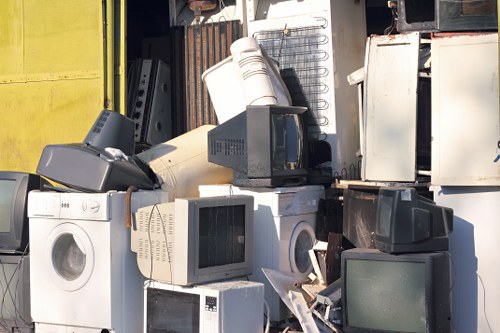 We collaborate with borough recycling teams to respect local sorting rules ??? for example, separating textiles for rag merchants, routing hardwood and plywood to wood recyclers, and sending metal frames to scrap processors. That approach mirrors the boroughs' own focus on source separation and improves the proportion of material that can be reused or remanufactured.
To support community-level reuse, our furniture pickup crews also stage items that are suitable for refurbishment at partner repair workshops. Where items only need minor repairs or cleaning, local social enterprises and tradespeople extend product lifespans and create local jobs through reuse programmes rather than disposal.
Charity Partnerships and Low-Carbon Transport
Partnerships with charities are a core part of our furniture collection and redistribution strategy. We work with multiple registered charities and non-profits that accept whole items for resale or direct support to households in need. Items that charities cannot take are offered to community refurbishers or components are extracted for material recovery, ensuring maximum diversion from landfill.
 Our vehicle fleet is transitioning to low-carbon vans, including electric and hybrid models, to serve furniture collection rounds with reduced emissions. These low-emission vehicles lower the carbon footprint of each collection trip and, combined with route optimisation, help us meet our organisational carbon targets. Drivers are trained in eco-driving techniques to further cut fuel use and emissions.
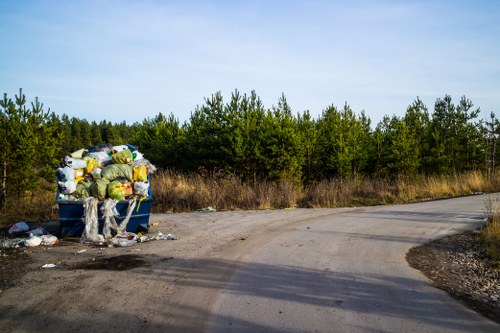 We also promote furniture reuse through targeted pickups in neighbourhoods and by coordinating with local charities to prioritise collections that would otherwise require additional handling. To support transparency and continuous improvement we publish annual metrics on volumes diverted, percentage reused and transfers to specialist recycling partners. Key programme highlights include:
- 65% recycling target for collected furniture within three years
- Strategic use of local transfer stations and MRFs to match borough waste separation rules
- Active partnerships with charities and social enterprises for reuse and repair
- Deployment of low-carbon vans and eco-driving to reduce transport emissions
Our strategy emphasises continuous improvement: we audit outbound materials, refine pick-up sorting, and expand charity partnerships to increase reuse rates. By aligning with borough-level approaches to recycling ??? such as treating textiles separately, diverting bulky wood to specialist processors, and ensuring metals are segregated for scrap ??? our furniture collection and recycling activities become more effective and locally integrated.
Ultimately, our furniture collection service is not just a waste removal operation; it is a part of the local circular economy. Through deliberate targets, local transfer station networks, charity partnerships and a growing fleet of low-carbon vans, we strive to keep usable furniture in circulation and recover materials responsibly. Together with borough waste strategies and community organisations, we are turning bulky waste into opportunities for reuse, repair and material recovery ??? delivering environmental benefits and social value across the area.