Furniture Collection in London

Furniture Collection provides furniture collection in London for homes, flats, landlords and workplaces that need unwanted items taken away with care. We focus on practical removal of everyday furniture, from single bulky pieces to fuller clear-outs, with the aim of making the process straightforward for the customer. That can include lifting, loading, responsible sorting and onward disposal or recycling where suitable. If you need to clear space without handling the heavy work yourself, our service is set up for that purpose.
Our work covers common household and office furniture such as sofas, chairs, tables, wardrobes, cabinets, shelving and beds, along with mixed bulky items that are awkward to move. We understand that furniture often comes in different materials and conditions, so we treat each job as an individual removal rather than a one-size-fits-all task. If you are comparing options, it helps to think about what needs moving, where it is located and whether access is simple or restricted.
For a clear plan, start by listing the items you want removed and any access points that matter, such as stairs, narrow hallways or parking restrictions. A short note about quantity and item type is usually enough to begin shaping the job. When the furniture is ready for collection, timing becomes easier to organise and the work can be completed with fewer delays. You can use the information below to see the main service areas and decide whether to request a quotation.
Furniture removal for homes and rentals

Domestic furniture collection is often the simplest way to deal with a change in room layout, moving day leftovers or pieces that are no longer needed. We remove items from living rooms, bedrooms, lofts, spare rooms and hallways, and we can handle individual pieces as well as larger household loads. This is useful when furniture is too bulky for a car, too heavy for household waste collections or too awkward to dismantle without the right help.
Rental properties, shared houses and managed flats can benefit from a service that is organised around access and time constraints. Sofas, beds and wardrobes often need careful removal from upper floors, while smaller items such as coffee tables, bedside units and dining chairs can usually be cleared more quickly. A good collection plan helps reduce disturbance in the property and keeps the job focused on the items that need to go.
For domestic furniture jobs, it is sensible to keep the request precise. If there are multiple rooms involved, note which pieces are staying and which are being removed so the collection can be arranged efficiently. Useful details include item type, floor level, whether anything is dismantled and any building restrictions that affect access. Two short pieces of information can often prevent avoidable confusion: what needs collecting, and how it can be reached.
Typical furniture items we collect

Different furniture items need slightly different handling, especially when they are bulky, fragile, part-assembled or difficult to separate into smaller parts. Sofas and armchairs can be heavy and awkward because of their size; beds and mattresses often involve separate pieces; wardrobes and cabinets may need disassembly before they can be moved safely. Our collection work is designed to deal with those practical differences rather than treating everything as a generic load.
Typical items include:
- sofas, sofa beds and armchairs
- beds, bed frames and mattresses
- wardrobes, chest of drawers and bedside units
- dining tables, chairs and storage furniture
- desks, office chairs and cabinets
If your furniture is mixed with other bulky waste, such as a broken shelving unit or a damaged desk, it can often be grouped into one collection plan. The important point is to be specific about the item list so the route, labour and vehicle space can be considered properly. You can keep the request simple by naming each item and leaving any minor condition issues for the quotation stage.
Preparing access for collection
Furniture collection works best when access is thought through in advance. That does not mean major preparation is required, but it does help to know whether items are upstairs, inside tight rooms, behind closed doors or already outside. If a wardrobe has been partly dismantled or a sofa has removable cushions or legs, mentioning that can make the removal more straightforward. When items are not ready to move, the job may take longer simply because of the extra handling involved.
Access details matter because furniture is often large relative to the spaces it has to pass through. Hallways, stairwells, communal entrances and lift availability can all influence how the collection is approached. If there are no clear ground-floor exits, the plan may need to allow for more careful movement and positioning. For that reason, customers are usually better served by describing the property layout honestly than by trying to simplify it too much.
Where several pieces are involved, it is useful to separate the collection into items that are easy to reach and items that may need extra handling. This gives a better picture of the task and helps keep the process orderly. Clear access details also help avoid delays on the day. If you are ready to begin, the next step is to send over the item list and ask for a quotation.
Office and workplace furniture collection
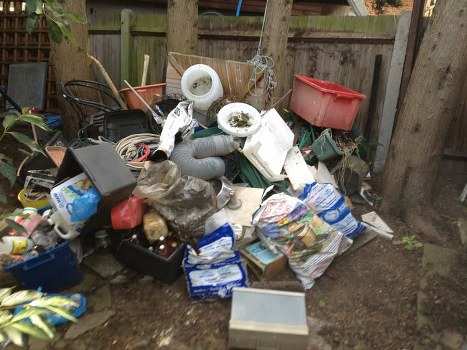
We also collect office furniture in London for workplaces, home offices and commercial spaces that need surplus items removed with minimal disruption. Desks, chairs, filing cabinets, meeting tables, shelving and reception furniture can all become cumbersome when an office is reorganised or closed down. Our furniture collection service is suitable where items are too substantial to carry through normal waste routes or where a tidy, planned clearance is more practical.
Workplace furniture often needs a more coordinated approach because multiple items may be located in different rooms or on different floors. Some pieces may be reusable, while others are worn, damaged or outdated. A sensible collection plan separates what is being removed from what remains in place, and that helps the job stay efficient. If dismantling is needed, that can usually be accounted for in the collection arrangement rather than treated as an afterthought.
When arranging office furniture collection, it helps to note the size of the load, whether lifts are available and whether the removal must avoid busy periods. That information allows the job to be assessed properly without overcomplicating the request. If you need a small office clear-out or several items taken from a larger workspace, the best approach is still the same: describe the furniture clearly and ask for a quotation based on the actual load.
About London
London is a large and historically layered city on the River Thames, shaped by centuries of growth, rebuilding and adaptation. Its core includes the ancient City of London, while the wider metropolis spreads across a broad urban landscape of boroughs, riverside districts and mixed residential neighbourhoods. The city’s built environment ranges from medieval street patterns and Georgian terraces to Victorian rail corridors, post-war estates and contemporary towers, creating a patchwork that reflects different periods of development. Landmarks such as Westminster Abbey, the Palace of Westminster, the Tower of London and St Paul’s Cathedral sit alongside museums, theatres and civic spaces that give the city its international profile. The Thames remains a defining geographical feature, crossed by many bridges and bordered by walkways, transport links and regenerated former industrial land. Parks such as Hyde Park, Regent’s Park and Hampstead Heath provide substantial open space within the urban fabric, while smaller squares and gardens offer quieter green pockets throughout central and inner London. The city’s cultural life is equally varied, with West End theatres, concert halls, galleries, independent venues and local high streets supporting an intense daily rhythm. Distinct neighbourhood identities are visible in areas such as Soho, Camden, Greenwich, Notting Hill and Hackney, each with its own pattern of streets, architecture and public life. Transport networks, including the Underground, rail terminals, buses and river services, knit these districts together and contribute to the city’s density and movement. Despite constant change, London retains many traces of earlier centuries, from church towers and market streets to canals, docklands and civic monuments, making it a place where history and modern urban life are closely intertwined.
House and flat furniture clearances
Where a property needs a fuller clearance, furniture collection can be combined with the removal of other bulky household items. This is useful for home moves, end-of-tenancy work, deceased estates, downsizing and general decluttering. Sofas, beds, wardrobes, tables and cabinets are often the largest part of the load, so removing them first can make the remainder of the space easier to manage. The service is designed to keep the task organised rather than turning it into a scattered sequence of one-off lifts.
Flat clearances can be more involved than ground-floor properties because of stair access, lifts, shared entrances and neighbour considerations. In houses, the furniture may be spread across several rooms or tucked away in lofts, garages or conservatories. That variety is normal, and it is one reason why careful item grouping matters. Our approach is to handle the furniture that must go and leave the rest untouched, which keeps the clearance focused and controlled.
If you are unsure how much needs collecting, you can still start with a short description of the rooms and the main pieces involved. That is often enough for an initial assessment. The quotation stage becomes more accurate when you mention any dismantling, difficult access or mixed bulky waste. Once those points are clear, the collection can be arranged around the actual work rather than around assumptions.
Furniture disposal, reuse and sorting
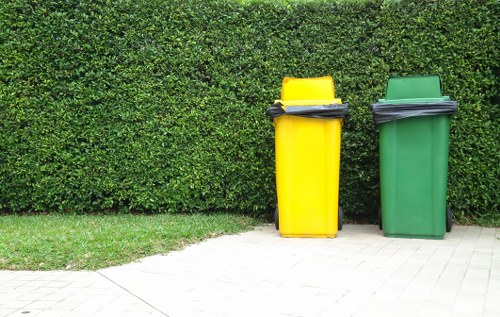
Furniture collection does not end with lifting and transport. The items then need to be sorted so that suitable pieces can be directed to reuse or recycling routes where appropriate. Different furniture types are made from different materials, and a responsible disposal process pays attention to wood, metal, textiles, foam and mixed components. That means a broken cabinet and a usable dining chair are not treated in the same way, even if they leave the property together.
Some furniture can be more suitable for recovery than others, but condition, construction and material type all matter. Upholstered items, fitted pieces and mixed-material furniture may need different handling from plain wooden tables or metal-framed office chairs. Our service is therefore about more than simply taking things away; it is about making sure the load is assessed and sorted sensibly once collected. That gives customers a practical route for removing items without having to worry about the end stage themselves.
When thinking about disposal, it is useful to remember that one collection can contain a mix of furniture conditions. A good request will separate reusable, damaged and dismantled pieces where possible, because that helps shape the best way to deal with them. If your main aim is to clear the property and hand over the furniture handling to someone else, the simplest next step is to request a quotation with the item list.
Booking a quotation
There are two things that make a furniture collection quotation easier to prepare: a clear list of items and a brief note about access. If you can say how many pieces there are, which rooms they are in and whether any items need dismantling, that usually gives enough context for an accurate estimate. It is also useful to mention if there are parking limits, narrow stairs or loading restrictions, because these practical details can influence the work involved.
Price is normally affected by the amount of furniture, the type of items, the effort needed to move them and any additional handling required on site. A single sofa collection will not be assessed in the same way as a fuller clear-out that includes beds, wardrobes and office furniture. The more accurately the load is described, the easier it is to shape the quotation around the real job. Short, specific information is usually better than a long explanation that leaves the important points hidden.
Please send the furniture details you want removed and ask for a quotation when you are ready. If the collection includes several item types or a property with more complicated access, a brief summary is enough to start the process. For a straightforward enquiry, you can simply say what needs collecting and where it is located. To take the next step, use the contact page.
Why customers choose furniture collection
Customers often look for furniture collection because it saves time, reduces heavy lifting and gives a direct route for removing bulky items that cannot easily be dealt with through ordinary household disposal. It is also a practical choice when furniture needs to leave a property promptly as part of a move, redecoration or room reorganisation. The benefit lies in having one clear point of contact for the removal rather than trying to manage multiple transport and disposal tasks separately.
Another reason people choose this service is that it can be scaled to the job in front of them. Some requests involve one large item, while others involve several rooms of furniture collected in a single visit. Either way, the service is centred on the same practical outcome: taking away the items that are no longer needed and leaving the remaining space easier to use. That makes it suitable for households, landlords, agents and workplaces.
If you are deciding what to do with unwanted furniture, it can help to think in terms of the load rather than the room. Once the item list is clear, the collection itself becomes much easier to arrange. Keep it simple, keep it specific, and ask for a quotation based on the actual furniture you want removed.
Furniture collection across different property types
Furniture removal needs can vary widely between property types, and that is one reason a flexible collection service is useful. A compact flat may present narrow corridors and multiple flights of stairs; a family home may involve furniture spread across several floors; a workspace may contain a mixture of desks, seating and storage units. The principle is the same in each case, but the route taken through the property and the amount of handling involved can differ.
For customers with more than one location, such as a rental portfolio or a business premises with separate storage areas, it helps to outline each site clearly. Even where the collection is local, the detail matters because furniture is bulky by nature and often awkward to reposition. The more accurately the items and access conditions are described, the better the collection can be planned. That keeps the service practical and the quotation grounded in the work that needs doing.
Whether the job is a single bulky item or a larger mixed load, the service remains focused on safe, efficient removal and appropriate sorting afterwards. If you have furniture ready for collection, the next step is straightforward: review the item list, note any access points and request a quotation. You can do that in plain language without creating a long form or overexplaining the job.