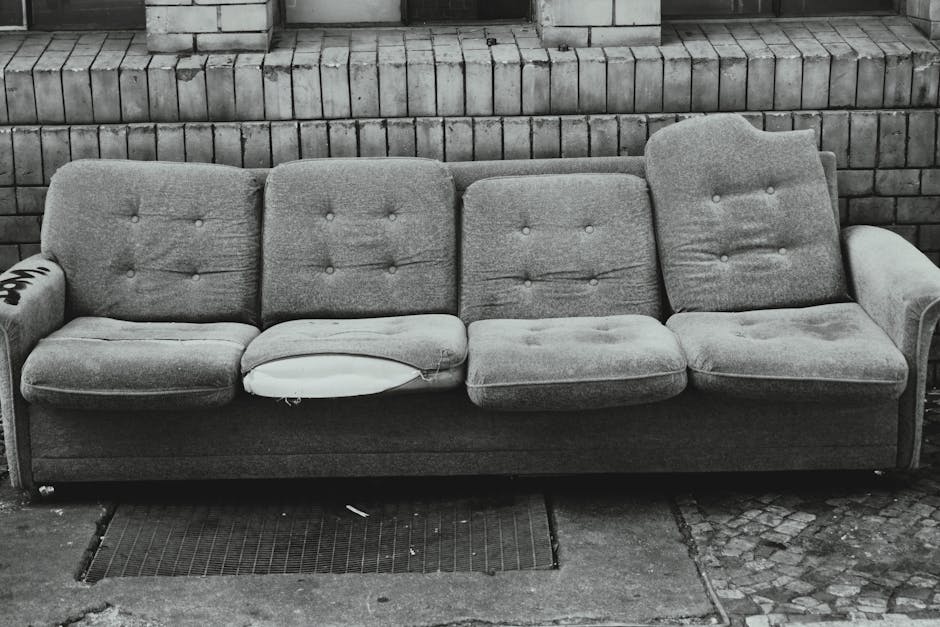
Same-Day Sofa Removal in Islington -- What to Expect
If you need a sofa gone today, the process can feel oddly urgent and a bit disruptive. Maybe the flat is being cleared for new furniture, perhaps a landlord inspection is looming, or the old three-seater has simply reached the "enough is enough" stage. Whatever brought you here, same-day sofa removal in Islington is usually straightforward when you know what to expect, what to prepare, and what can slow things down. This guide walks you through the real process in plain English, so you can make a quick decision without the usual guesswork.
We'll cover how a same-day collection typically works, what affects timing and cost, how to avoid the common hiccups, and how to choose a reliable service that handles disposal properly. If you want the bigger picture on local coverage too, it can help to browse the wider London furniture collection service area alongside the Islington page.
Table of Contents
- Why Same-Day Sofa Removal in Islington -- What to Expect Matters
- How Same-Day Sofa Removal in Islington -- What to Expect Works
- Key Benefits and Practical Advantages
- Who This Is For and When It Makes Sense
- Step-by-Step Guidance
- Expert Tips for Better Results
- Common Mistakes to Avoid
- Tools, Resources and Recommendations
- Law, Compliance, Standards, or Best Practice
- Options, Methods, or Comparison Table
- Case Study or Real-World Example
- Practical Checklist
- Conclusion
- Frequently Asked Questions
Why Same-Day Sofa Removal in Islington -- What to Expect Matters
Same-day sofa removal is not just a "nice to have" convenience. In a busy area like Islington, it can be the difference between a room being usable today or sitting blocked for another week. If you live in a compact flat, have tight stairs, shared hallways, or a narrow street with limited parking, a sofa collection needs a bit of planning. Not dramatic planning. Just enough to avoid the classic "oh, it won't fit through the doorway" moment.
It matters because sofas are awkward. They're bulky, often heavy, and sometimes upholstered in a way that traps dust, pet hair, or general city-life grime. They can also become a nuisance quickly if you're replacing them, moving home, dealing with a tenancy change, or clearing a property after a family event. A same-day service reduces stress, keeps the space moving, and gives you a clean handover without lingering clutter.
There's also an environmental angle. A reputable service should sort for reuse, recycling, or responsible disposal rather than simply dumping items. If that part matters to you, and it probably should, the company's recycling and sustainability approach is worth checking before you book.
Expert summary: If you need a sofa removed the same day, the best outcome usually comes from a clear booking, good access information, and a service that can handle the lifting, loading, and disposal properly on the first visit.
How Same-Day Sofa Removal in Islington -- What to Expect Works
In most cases, the process starts with an enquiry and ends with the sofa being lifted away the same day, assuming capacity and access line up. Simple on the surface. The detail is where things matter.
Here's the usual flow:
- You request a quote or availability check. You share the item type, location, floor level, access issues, and preferred time window.
- The service confirms whether same-day collection is possible. Timing depends on route planning, crew availability, and how busy the day is.
- You receive a price estimate or fixed quote. Good providers explain what is included, such as labour, loading, disposal, and any extra handling costs.
- The team arrives and assesses the sofa. They check size, condition, access, and any obstacles like tight staircases or narrow turns.
- The sofa is removed safely. This may involve moving it in one piece, partially dismantling it, or taking care with corners and walls.
- The item is taken for reuse, recycling, or disposal. Responsible operators should have a clear process for what happens next.
One practical detail people forget: a same-day collection is often faster if you can send a couple of photos in advance. Front, side, and access route photos save time and avoid surprises. It sounds small, but it saves the driver from turning up to a scene that looks nothing like the booking notes. Which, to be fair, happens more often than you'd think.
If you're comparing services, it may also help to look at pricing and quote information so you understand what makes a price go up or down before the van arrives.
Key Benefits and Practical Advantages
The obvious benefit is speed. You reclaim space quickly, and that matters more than people expect. But the real advantages go beyond "it's gone."
- Less disruption: you don't have to wait around for a council slot or struggle with a hire van.
- Safer lifting: heavy sofas can be awkward on stairs, especially in older Islington buildings.
- Cleaner handover: useful for end-of-tenancy cleans, refurbishments, or staging a property for sale.
- Better time control: a same-day slot can be slotted around work, school runs, or delivery windows.
- More responsible disposal: a professional service can route reusable items away from landfill where appropriate.
There's a quieter benefit too. Once the sofa is out, the room suddenly feels bigger. The light changes. You notice the floor again, the walls again, and all the things you were not planning to tidy suddenly become visible. Slightly annoying, yes, but also strangely motivating.
For landlords, letting agents, and property managers, fast clearance can keep schedules on track. For tenants, it can reduce last-minute panic before keys are returned. For homeowners, it can make a renovation or decorating job feel possible rather than half-started.
Who This Is For and When It Makes Sense
Same-day sofa removal in Islington makes sense in more situations than just "I want it gone now." In practice, it suits anyone with a time-sensitive clearance and an item that is too large, too heavy, or too awkward to deal with alone.
Typical scenarios include:
- you've bought a new sofa and need the old one removed before delivery
- you're moving out and need to clear bulky furniture quickly
- you've inherited furniture during an estate clearance
- you're a landlord or agent preparing a property for reletting
- your sofa has been damaged, stained, or become unsafe to use
- you live in a flat with no lift and don't want to risk injury or wall damage
It also makes sense if the sofa is not easily reusable by charity because of condition, age, or hygiene issues. A good removals provider will still explain options honestly, even if the answer is "this one is for disposal rather than reuse." That sort of honesty builds trust. Lets face it, nobody wants polished nonsense when they're trying to clear a room by tea-time.
If you're dealing with other bulky items at the same time, you may want to ask whether the team can also handle other furniture on the day. Browsing related area pages like Camden furniture collection or Hackney furniture collection can give you a feel for how the service works across nearby London locations.
Step-by-Step Guidance
If you want the process to go smoothly, a little preparation goes a long way. Here's the practical version, without the fluff.
1. Measure the sofa and check access
Note the length, height, and whether the arms or legs are detachable. Measure doorways, stair turns, and any hallway pinch points. In older Islington conversions, the issue is often the turn on the stairs rather than the front door itself.
2. Gather basic booking details
You'll usually need your address, floor level, parking or loading restrictions, and a rough description of the sofa. If the building has entry codes or a concierge process, mention it early. That tiny bit of admin can save a lot of waiting.
3. Send photos if possible
Photos of the sofa and access route help the team decide what vehicle and crew size to send. This is especially useful if the sofa is a corner unit, a sofa bed, or a large recliner that looks manageable until you try to angle it through a stairwell.
4. Confirm what the price includes
Ask whether the quote covers labour, removal, loading, disposal fees, and any congestion-related issues. If anything sounds vague, ask again. A proper quote should feel understandable, not like a puzzle.
5. Clear the route before the team arrives
Move small items, secure pets, and clear a path from the sofa to the exit. If you can, take lamps, tables, and baskets out of the way. You want the team focused on the sofa, not stepping around a trail of clutter.
6. Be ready for a quick decision on site
Sometimes a sofa needs partial dismantling or a second pair of hands for a tricky turn. A good crew will tell you what's happening and why. If the item is in bad condition, they may suggest removal in separate sections rather than forcing it through intact. Sensible, really.
7. Ask for the final destination or disposal route
You don't need a lecture, but you do deserve clarity. If reuse or recycling is possible, ask how the item will be handled. Responsible operators should be comfortable talking about that.
Expert Tips for Better Results
These are the little things that make a same-day collection feel easy instead of slightly chaotic.
- Book earlier in the day if you can. Same-day availability is often easier in the morning, before schedules fill up.
- Be honest about the access. If the stairwell is tight, say so. The right team will not mind, but they do need to know.
- Keep parking details handy. Islington streets can be busy, and loading access may be the real bottleneck.
- Separate the sofa from loose cushions or other waste. It helps the crew work faster and can avoid confusion about what is included.
- Ask about insurance and safety. A reliable company should be transparent about this, and you can review their insurance and safety information before booking.
- Check for trusted payment options. If you're paying by card or bank transfer, it is sensible to know how the company handles transactions. Their payment and security page is a good place to start.
A small but useful tip: if you live in a shared building, tell neighbours or the concierge what day and roughly what time the team is due. It avoids awkward corridor moments and, sometimes, helps with lift access. Nothing fancy. Just sensible.
If the sofa is still in reasonable condition, ask whether there is any reuse route. Not every item is suitable, of course, but the question is worth asking.
Common Mistakes to Avoid
Most problems during sofa removal are avoidable. The issue is usually not the lifting itself; it's the planning around it.
- Underestimating the size of the item. A sofa that looks fine in the living room can become a problem at the stair bend.
- Not checking parking or loading access. In central and inner London, this can delay the whole job.
- Forgetting sofa beds or heavy recliners need extra handling. Mechanisms add weight and complexity.
- Assuming every same-day quote includes everything. Ask what is included and what could change the final price.
- Leaving the route cluttered. A clear path makes the move safer and quicker.
- Choosing a provider with no clear disposal process. If responsible handling matters, check the company's environmental approach, not just the headline price.
One more thing. Don't leave disassembly tools halfway hidden under the sofa and then forget about them. That sort of minor chaos has a way of turning up exactly when you're in a hurry.
Tools, Resources and Recommendations
You do not need specialist equipment for a typical sofa collection, but a few basics help.
- Tape measure: for checking the sofa and the route.
- Phone camera: for sending clear photos to the provider.
- Protective gloves: if you're moving cushions or small items yourself.
- Blankets or sheets: to protect floors or nearby furniture if needed.
- Access notes: concierge contacts, entry codes, parking instructions, or lift restrictions.
For extra reassurance, it can help to review the company's service pages before booking. The most useful ones for this topic are health and safety policy, complaints procedure, and accessibility statement. Those pages tell you something important about how the business operates when things are smooth and when they are not.
If you're comparing wider furniture disposal options across the capital, you can also look at neighbouring local pages such as Barnsbury and Archway to understand nearby service coverage. The practical point is simple: choose a team that knows the local streets and building patterns, not just the postcode on paper.
Law, Compliance, Standards, or Best Practice
Furniture removal may seem like a simple logistical job, but there are still standards and responsibilities worth taking seriously. You do not need to become a compliance expert, thankfully, but a few principles matter.
Duty of care: waste should be handled and passed on responsibly. A reputable company should be able to explain what happens to collected furniture and how disposal is managed. If a sofa is being sent for recycling or disposal, the route should be lawful and traceable in line with accepted UK practice.
Safe handling: heavy lifting, awkward angles, and stair movement can create injury risk. Best practice includes proper lifting technique, suitable staffing, and a clear assessment of access before removal starts. That's why safety pages are not just legal boilerplate; they show whether the company thinks about real-world risk.
Property protection: floors, walls, door frames, and communal areas should be handled with care. In a tighter Islington staircase, one careless move can leave a mark. A decent crew takes that seriously.
Transparent pricing: while exact pricing varies by item and access, customers should be told what affects the final cost. If a quote is unclear, ask for a better explanation. Good operators don't mind that.
Environmental best practice: not every sofa can be reused, but services should still look for the most responsible destination possible. If sustainability matters to you, ask directly and check the provider's stated process rather than assuming.
If you ever need to understand the company's policy framework more broadly, their modern slavery statement is another trust signal worth looking at. It's not sofa-specific, but it does show the kind of standards a responsible business keeps in place.
Options, Methods, or Comparison Table
If you're deciding how to get rid of a sofa today, the best option depends on urgency, access, and how much effort you want to spend. Here's a simple comparison.
| Option | Speed | Effort Required | Best For | Watch Out For |
|---|---|---|---|---|
| Same-day professional sofa removal | Very fast | Low | Urgent clearances, awkward access, busy households | Quote clarity, parking, item size |
| Council collection | Slower | Moderate | Non-urgent disposal, planned clear-outs | Waiting times, booking restrictions, access rules |
| Hiring a van and doing it yourself | Fast if arranged well | High | Strong helpers, easy access, short distances | Injury risk, lifting strain, disposal logistics |
| Leaving it for reuse collection or charity | Variable | Low to moderate | Good-condition sofas with flexible timing | Acceptance criteria, collection delays |
For most people who need the sofa gone today, the professional route is the cleanest answer. It's especially practical in upper-floor flats, managed buildings, or anywhere the logistics are a bit fiddly.
Case Study or Real-World Example
Picture a typical Islington flat on a rainy Tuesday afternoon. A tenant has new furniture being delivered by 6 p.m., the old sofa is blocking half the living room, and the hallway is just wide enough to make everyone suspicious. The tenant sends photos, confirms the floor level, and flags a tight turn on the stairs. Nothing exotic, just the kind of detail people forget when they are busy.
The removal team arrives with the right vehicle and checks the route before moving anything. They realise the sofa will need the legs removed to make the turn cleaner. Two minutes later, the item is out, the walls are intact, and the room is ready for the new delivery. The whole job is done in a short window, without drama, and the customer gets on with the rest of the day.
That is what good same-day sofa removal usually feels like: ordinary in the best possible way. A bit of coordination, a bit of lifting, then relief. Not glamorous. Extremely useful.
Practical Checklist
Use this quick checklist before the crew arrives.
- Measure the sofa and the tightest doorway or stair turn
- Take clear photos of the item and access route
- Confirm floor level, lift access, and parking details
- Ask what the quote includes
- Move small items out of the way
- Secure pets and keep children clear of the route
- Check whether any legs, cushions, or loose parts should be detached
- Review safety, insurance, and payment information
- Ask about reuse, recycling, or disposal handling
- Keep your phone nearby in case the team needs directions or access help
It's a short list, but it covers most of the things that cause delays. And that really is the point.
Conclusion
Same-day sofa removal in Islington is all about speed, clarity, and sensible planning. When you know what to expect, the job feels much easier: quick enquiry, honest quote, access check, careful lifting, and responsible disposal. The best services make a stressful moment feel tidy and manageable, which is often exactly what you need.
If you're trying to free up space before a delivery, handle a tenancy deadline, or simply get an old sofa out of the way without a weekend of hassle, same-day removal is usually the most practical route. Just remember the small stuff: measurements, photos, parking, and a clear idea of what happens after collection. That's where smooth jobs come from.
Get a free quote today and see how much you can save.
And if you're still weighing it up, that's fine too. A good removal should feel like a little weight off your shoulders, not another job to manage.
Frequently Asked Questions
How quickly can same-day sofa removal happen in Islington?
It depends on crew availability, route planning, and access details. If you book early and can provide clear photos, same-day collection is often easier to arrange. A morning enquiry gives you the best chance.
What information do I need to get a quote?
Usually you'll need your address, floor level, sofa type, access details, and any parking or loading restrictions. Photos are very helpful, especially for large corner sofas or sofa beds.
Will the team take the sofa from an upper-floor flat?
Yes, in many cases they can, provided the access is workable. Tight staircases and narrow turns may mean extra care or partial dismantling, so it helps to mention those details upfront.
Can I book sofa removal if I'm not home all day?
Often yes, but you'll need to agree access arrangements in advance. That might mean leaving someone on site, providing building access, or scheduling within a specific window.
What happens to my sofa after it's collected?
That depends on condition and the provider's process. Some sofas may be suitable for reuse or recycling, while others are directed to responsible disposal. It is sensible to ask the company how they handle this.
How much does same-day sofa removal usually cost?
Prices vary based on item size, floor level, access, and whether more than one item is being collected. The clearest approach is to request a quote based on your specific details rather than guessing from a generic price online.
Do I need to dismantle the sofa before collection?
Usually not. Many removal teams can handle the item as it is, though detachable legs or cushions can make the job easier. If dismantling is needed, the provider should tell you in advance.
Can a removal team take a sofa bed or recliner?
Yes, but these items are often heavier and more awkward than standard sofas. It's important to mention the type of mechanism so the team can bring the right equipment and staffing.
Is same-day sofa removal better than council collection?
If speed and convenience matter, usually yes. Council collection is a useful option for non-urgent disposal, but it may involve longer waits or different booking conditions. Same-day removal suits time-sensitive situations much better.
What should I do before the collection team arrives?
Clear the route, remove small items, secure pets, and check the measurements one last time. If possible, keep the sofa cushions separate and make sure the access instructions are easy to follow.
How do I know the company is handling disposal responsibly?
Look for clear information on recycling, sustainability, safety, and insurance. You can also ask direct questions about reuse and disposal. A trustworthy provider should be able to answer without hesitation.
What if the sofa does not fit through the doorway?
A good team will assess the situation on site and decide whether legs can be removed or whether the item needs a different handling approach. This is why measurements and access photos matter before collection day.